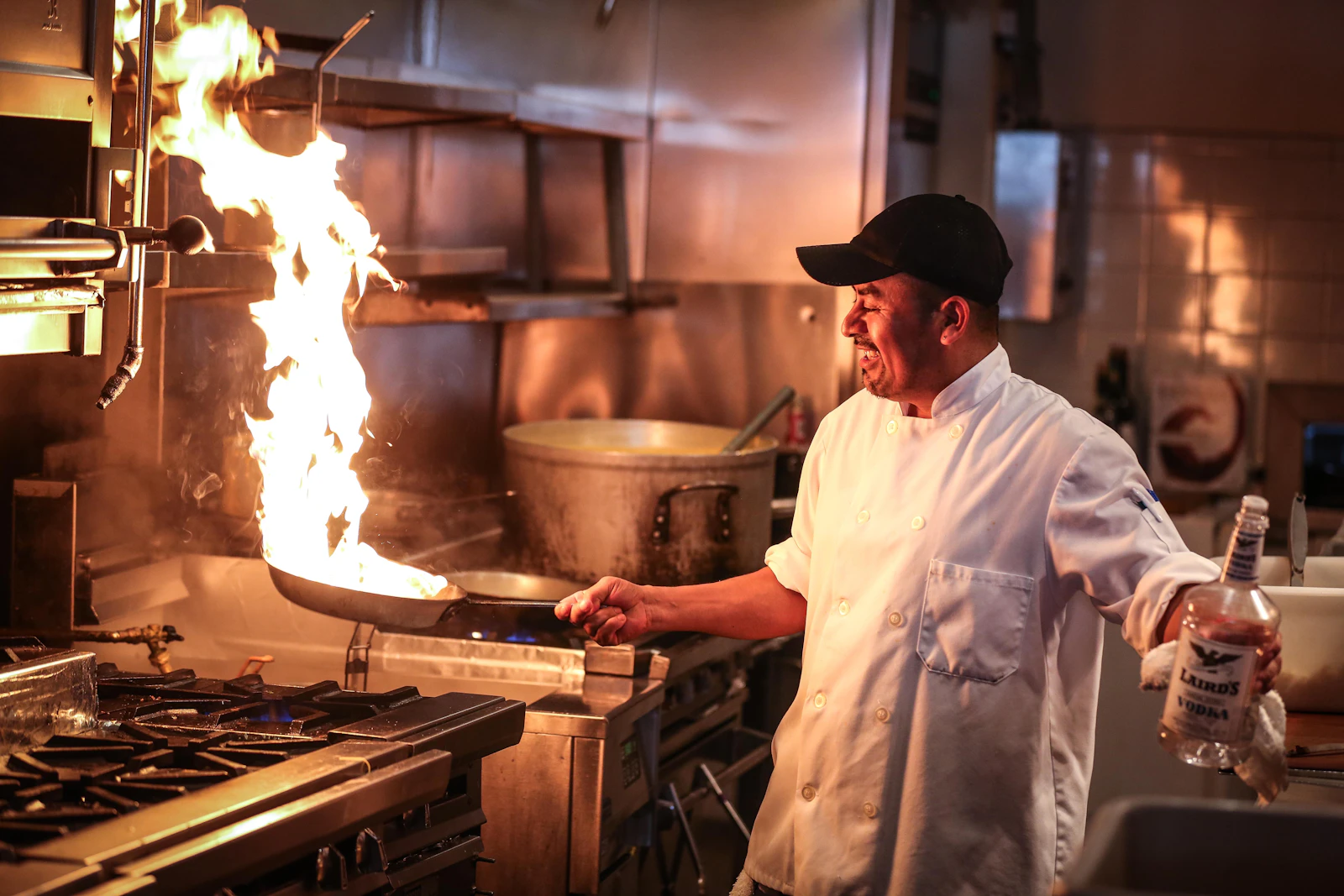
Aavash Shrestha
Chef & co-founder
Trained in Kathmandu hotel kitchens and a season in Singapore before coming home to Patan. Believes a menu should fit on one page.
Est. 2016
Nosvra has been in Jhamsikhel for nearly a decade. Here is the honest version of how it happened.
Aavash signed the lease in the winter of 2016 because the rent was cheap and the room still smelled of the print shop that had been there before.
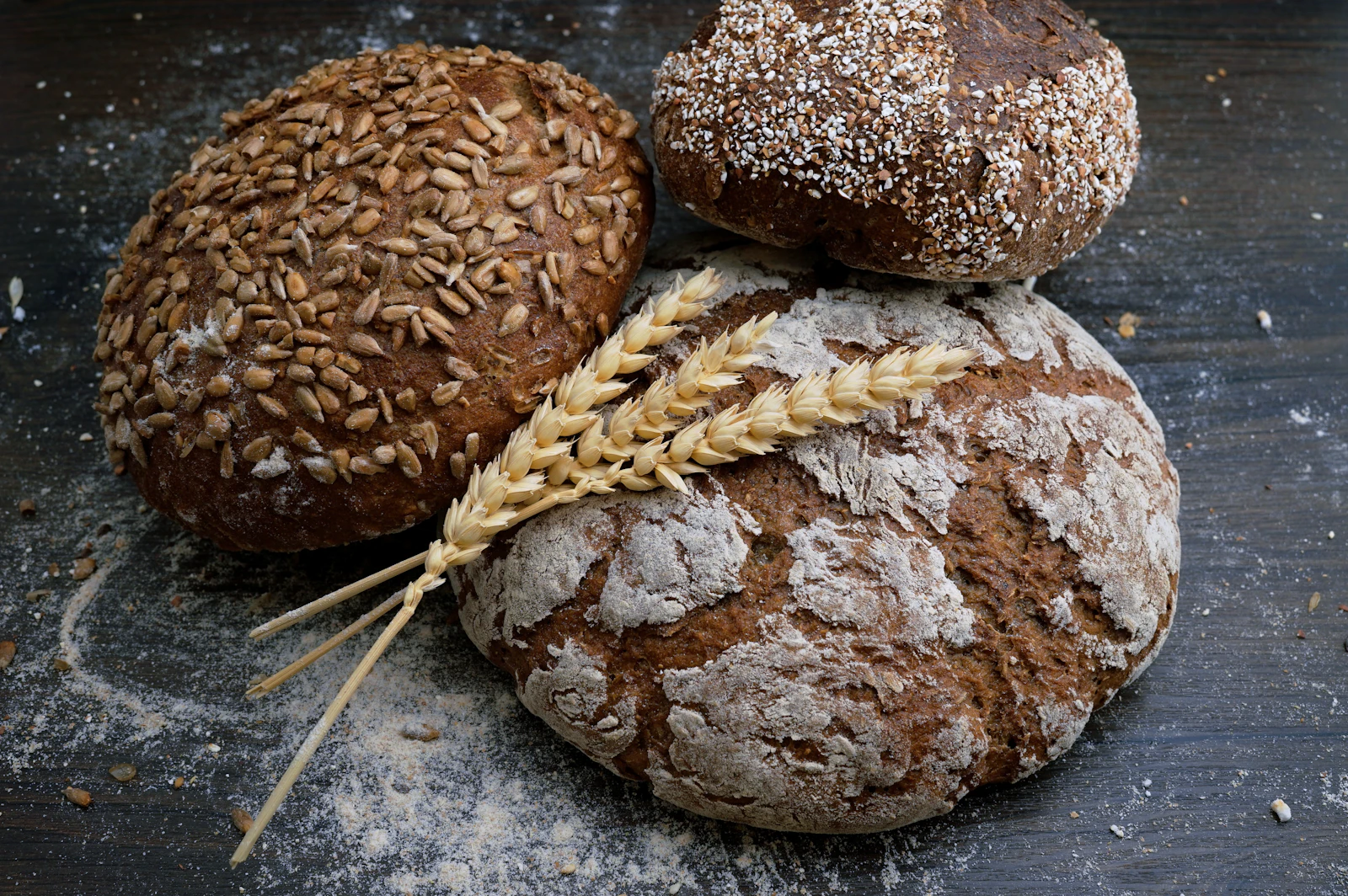
For the first two years Nosvra was a tea counter. Six stools, one grinder, a tray of pastries that Nikita baked at home and carried over on a bicycle each morning. People came for the coffee and stayed longer than they meant to, which turned out to be the whole business plan.
In 2018 we knocked through into the back room and built the wood-fired hearth. It took four months, cost more than the tea counter had made in two years, and changed everything about how we cook. Fire is unforgiving — there is no dial to turn down — so the kitchen learned to plan around it rather than fight it.
Today there are eleven of us. The room seats forty-two downstairs and twenty-four upstairs. The menu still fits on one page, which is deliberate: we would rather cook twenty things properly than sixty things adequately.
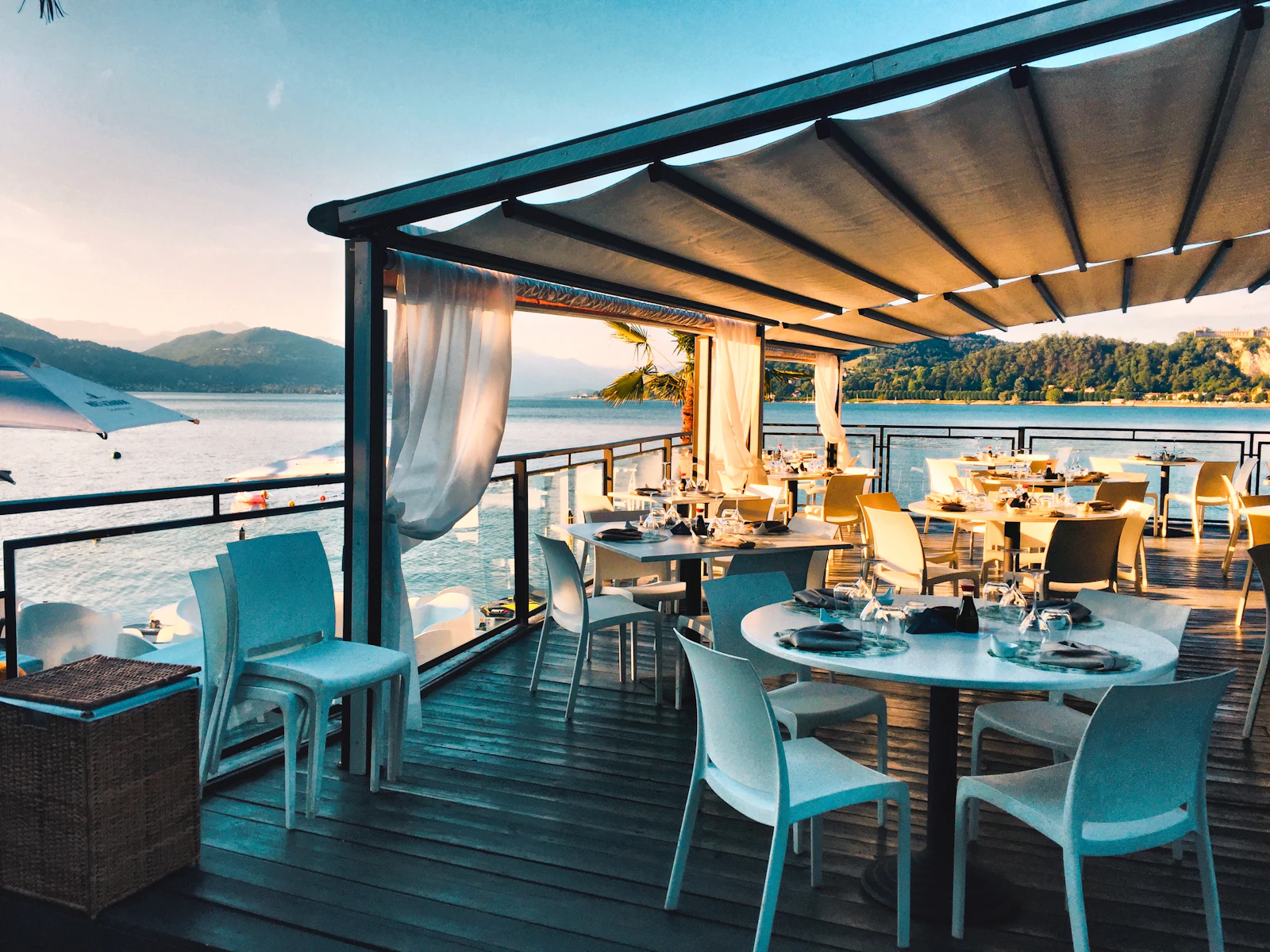
The counter, still in the spot where the original six stools were bolted down.
Milestones
2016
Nosvra opens in a converted ground-floor room in Jhamsikhel — chiya, coffee and momo, nothing else on the counter yet.
2018
We knock through to the back room and build the wood-fired hearth that still runs the kitchen — everything about how we cook has been built around it since.
2021
We start milling buckwheat in-house and buying rice and lentils direct from farms in Khokana and Bungamati, instead of the wholesaler.
2024
The courtyard-facing room upstairs opens for private dinners, the Sunday momo class, and evenings we would rather not rush.
Ingredients
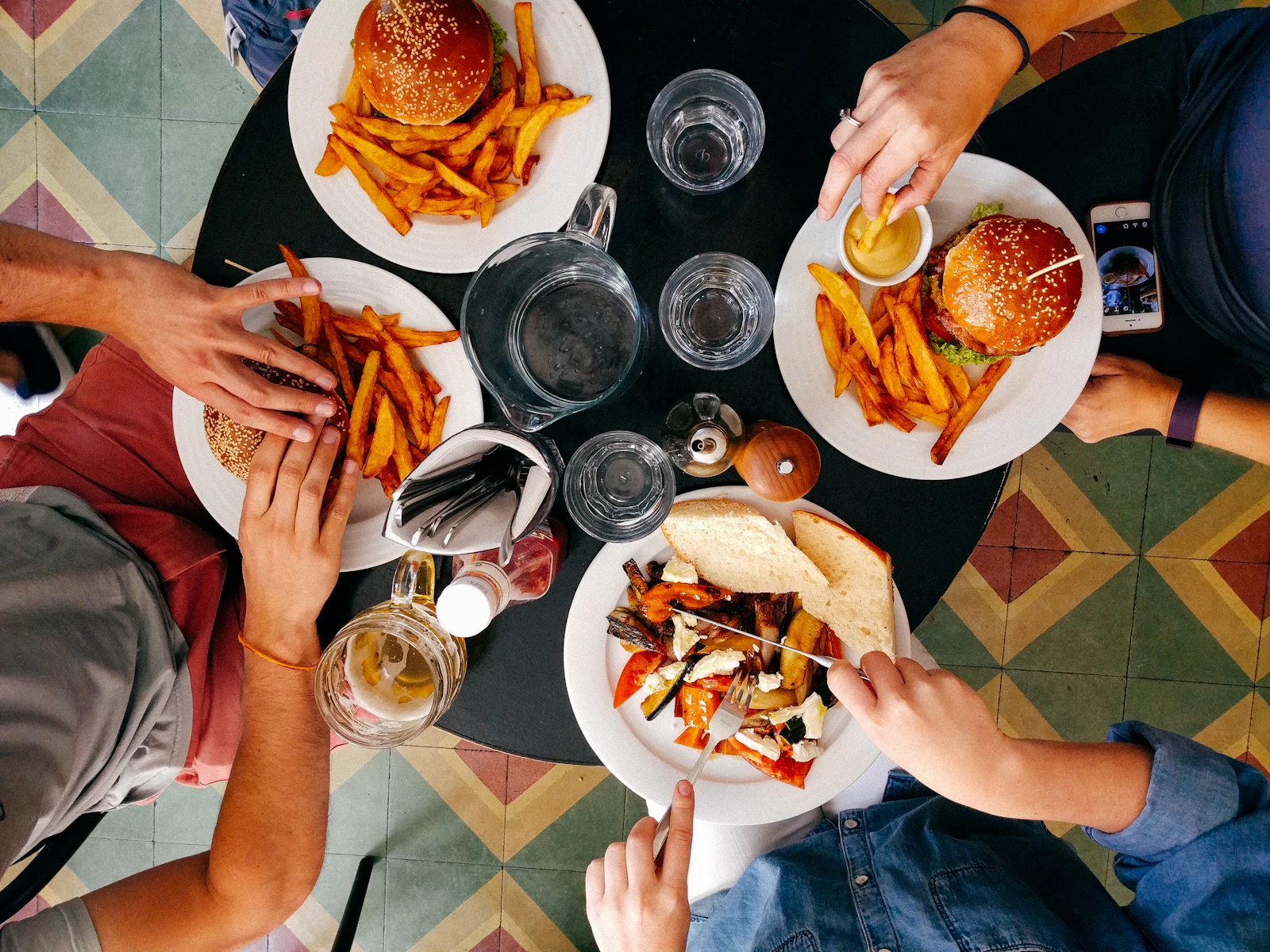
Rice and dal from farms in Khokana and Bungamati, trout from the hill streams north of the city, and a butcher in the same bazaar we have used since the first week.
The hearth is lit at six and never rushed. Wood is the least forgiving way to cook, and the most honest — kaath, after all, is where the city gets its name.
Brass and good glassware, but no theatre. You should be able to come in from the rain and still feel looked after.
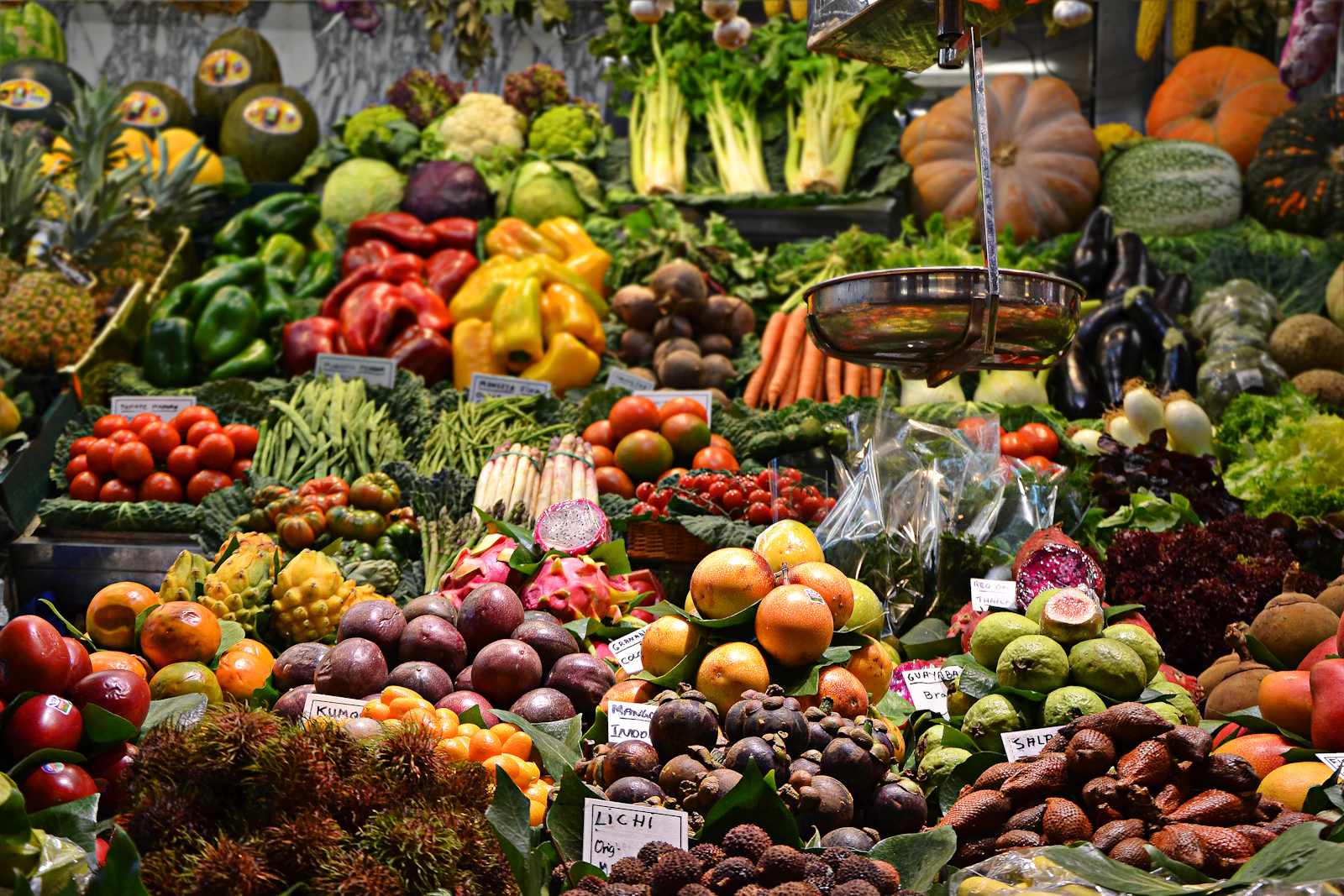
The people
Eleven of us in total. These three are usually the reason a plate tastes the way it does.
Chef & co-founder
Trained in Kathmandu hotel kitchens and a season in Singapore before coming home to Patan. Believes a menu should fit on one page.
Head of pastry
Runs the sweet corner and the morning bake. Responsible for the sikarni people keep writing about.
Room & drinks
Chooses the valley wine list and keeps the tongba warm. Will happily pour you a taste before you commit.